Join us at the 11th ANPS Early Conference 2026!
This one-day conference will inspire and shape the minds of the schools, learners, and educators.
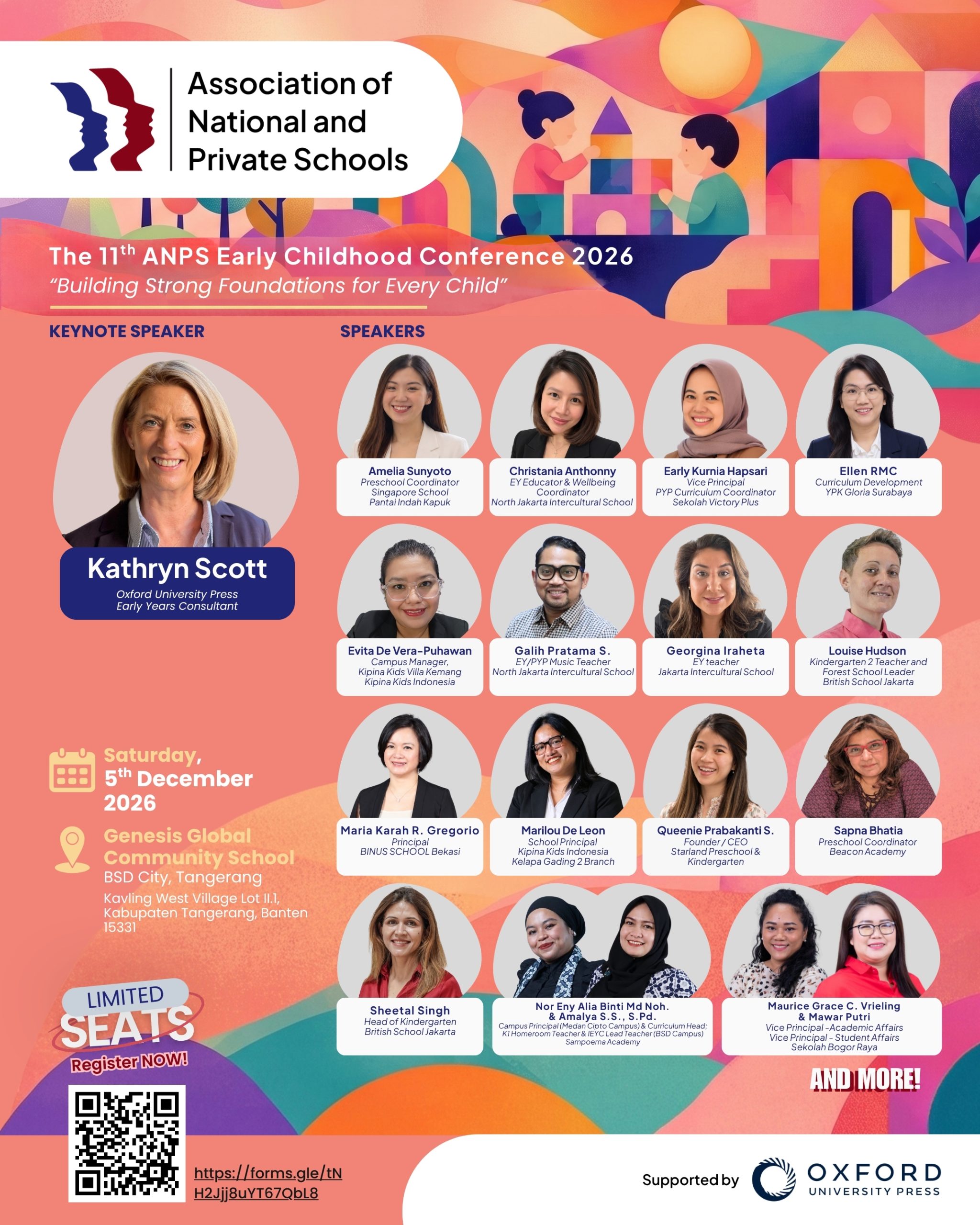
🗓️ Date: 5 December 2026, 8 AM – 4 PM WIB
🏫 Venue: Genesis Global Community School
Kavling West Village Lot II.1, BSD City, Kabupaten Tangerang, Banten 15331 Indonesia
💼 Registration details:
Conference Fee:
Member Early Bird: 450k/pax (payment before 15 November 2026)
Non Member & Regular: 550k/pax
(seats are limited)
REGISTER HERE: https://forms.gle/tNH2Jjj8uYT67QbL8
See ongoing rundown HERE
🔍 This Conference is OPEN for PUBLIC both for ANPS members and non-members.

Deepening Learning Through Play
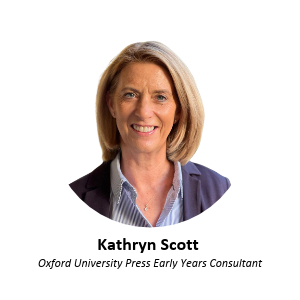
| Building on the themes explored within the keynote presentation, this interactive breakout session focuses on how practitioners can use observation to make informed, intentional decisions that deepen children’s learning through play. Drawing on child development knowledge, the Characteristics of Effective Learning and principles of responsive practice, participants will explore how to recognise and interpret children’s interests, fascinations and emerging learning. Through discussion, reflection and practical examples, practitioners will consider how observation can be used to identify meaningful next steps and create opportunities that extend thinking, creativity, communication and problem-solving. The session will also explore the role of high-quality interactions and sustained shared thinking in nurturing children’s ideas and supporting deeper levels of engagement. Participants will reflect on how to balance child-led learning with intentional teaching, ensuring that interventions enhance learning while preserving children’s agency, curiosity and ownership of play. |
| Bio: Kathryn brings over 30 years of teaching and leadership experience in education across the UK and international settings. Since becoming Head teacher at Good Dharma, she has reinforced a nature-based, resourceful approach, gaining a deeper appreciation for sustainability and the impact of learning outdoors. Steeped in the UK curriculum and child-led pedagogy, she is passionate about embedding enquiry and holistic learning in a growing primary school. She has extensive experience shaping young lives across the UK, the Middle East and South Asia. Steeped in the UK curriculum and child-led pedagogy, she is passionate about embedding curiosity, enquiry and holistic learning into the children she leads and the curricula she teaches. As a Head Teacher in Sri Lanka she has embraced a nature-based, resourceful approach, campaigning for a deeper appreciation of sustainability and the impact of learning outdoors. She has spoken widely and frequently to teachers and educators across the island spreading her message of play-based learning and championing a child’s energy to learn. |
| Expected outcomes of the presentation: Participants will have strengthened their ability to notice significant learning within everyday play experiences and develop practical strategies for using observation, interaction and responsive teaching to nurture deeper learning, curiosity and engagement. |

Play That Sounds Like Home: Purposeful Dramatic Play in Multilingual Indonesian Classrooms
| Early childhood classrooms in Indonesia are increasingly multilingual and multicultural, with children bringing Bahasa Indonesia, English, Mandarin, regional languages, and other home languages into their learning environments. How can educators ensure these diverse experiences become meaningful resources for learning and play? This presentation explores how purposeful dramatic play can create culturally responsive, language-rich environments that reflect children’s everyday lives. Using familiar Indonesian contexts such as markets, bakeries, restaurants, and family experiences, educators will discover how play can support communication, vocabulary development, social interaction, and a sense of belonging. Through the Home → Play → Language → Belonging framework, participants will explore practical strategies including culturally familiar props, multilingual print, verbal mapping, family contributions, and intentional teacher interactions. The session also considers how children’s home languages can be valued as a bridge to additional language development rather than a barrier to participation. Participants will leave with practical ideas for creating purposeful play experiences where children see their own identities represented while learning about the languages, cultures, and experiences of others. |
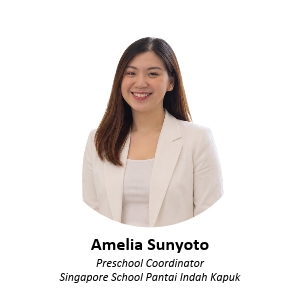
| Bio: Ms. Amelia Sunyoto serves as the Preschool Coordinator at Singapore School Pantai Indah Kapuk (SIS PIK), where she oversees curriculum development, teacher training, and the implementation of developmentally appropriate learning practices. With an academic background in Early Childhood and Childhood Education, she is also a New York State-certified teacher. Her experience as a reading and mathematics specialist for students from Kindergarten to Grade 5 has shaped her understanding of early literacy, numeracy, and children’s holistic development. Passionate about purposeful play, inclusive learning environments, and culturally responsive teaching, Ms. Amelia is committed to supporting educators in creating meaningful learning experiences that celebrate children’s diverse backgrounds, languages, and individual strengths. |
| Expected outcomes of the presentation: By the end of this presentation, participants will gain an understanding of how culturally responsive dramatic play can support language development, social interaction, and belonging in multilingual classrooms. Educators will explore practical strategies for incorporating children’s home languages, cultural backgrounds, and everyday experiences into purposeful play, enabling them to create inclusive, language-rich learning environments that reflect and celebrate the diversity of their students.” |
Wait, Remember, Try Again: Building Executive Function Through Everyday Play
| What if some of the most important skills children need for the future are already being developed while they play? In the early years, children are constantly learning to wait for a turn, remember instructions, manage impulses, adapt when plans change, solve problems, and keep trying when something does not work. These everyday moments help build executive function—foundational skills that support learning, independence, self-regulation, and children’s ability to navigate an ever-changing world. In this interactive workshop, participants will explore three core areas of executive function: working memory, inhibitory control, and cognitive flexibility, and discover how these skills can be strengthened through purposeful play and everyday classroom experiences. Through movement games, playful challenges, loose-parts exploration, and collaborative problem-solving, participants will experience the cognitive demands children encounter when asked to wait, remember, and try again. Rather than adding another program to an already busy school day, this workshop invites educators to recognize opportunities already present in classroom routines and play. Participants will leave with practical, developmentally appropriate strategies they can immediately use to intentionally nurture executive function while keeping learning active, meaningful, and joyful for young children. |
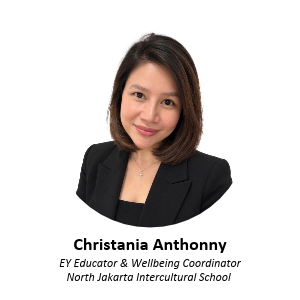
| Bio: Christania “Tania” Anthonny is an Early Years educator and a Wellbeing Coordinator at North Jakarta Intercultural School, working with young learners within the IB PYP framework. She is passionate about creating meaningful, joyful, and play-based learning experiences that encourage children to explore, make choices, solve problems, collaborate, and learn through experience. Her classroom practice is strongly influenced by inquiry-based learning and Reggio Emilia-inspired approaches, with particular interest in how everyday play can support children’s independence, self-regulation, flexible thinking, attention, and perseverance. Currently pursuing her Master’s degree in Early Childhood Education, Tania enjoys connecting educational theory with authentic classroom experiences. Through her workshops, she invites fellow educators not only to learn about children’s development, but to experience learning through play themselves… because sometimes the best way to understand how children learn is to play like one. |
| Expected outcomes of the presentation: Participants will develop a practical understanding of working memory, inhibitory control, and cognitive flexibility; experience how these skills can be strengthened through purposeful play; identify executive function needs behind everyday classroom behaviors; and leave with practical strategies and a play-based experience they can immediately implement in their Early Childhood setting. |
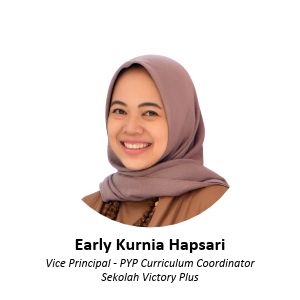
When Children Are Not ‘Just Playing’
| What happens when we give children time, space, and freedom to explore? What can they learn when we step back, observe, and let their curiosity lead the way? In this workshop, we will explore the why and how of play-based learning through hands-on experiences, reflection, and practical examples. Participants will experience different types of play and consider what these experiences can tell us about children’s thinking, interests, choices, and learning. We will look at the balance between child-led play and intentional teacher support, and explore how teachers can use observation to notice learning and gently extend it. We will also consider how play can create meaningful opportunities to develop literacy, numeracy, inquiry, creativity, and learning across subjects. Most importantly, this workshop invites us to rethink what learning through play can look like. Play is not simply something children do when the “real learning” is finished. When thoughtfully supported, play can be a powerful way for children to ask questions, test ideas, make connections, and build understanding. Come ready to play, wonder, reflect, and perhaps see your classroom—and your role as a teacher—in a slightly different way. |
| Bio: Early Kurnia Hapsari is an Indonesian educator who has taught since 2002. She holds a Bachelor of Psychology and a Master of Education Management. She began her career as an Early Years teacher at Sekolah Victory Plus and has since taken on various leadership roles, currently serving as PYP Vice Principal of Curriculum and PYP Coordinator. Early has been actively involved with the International Baccalaureate (IB) since 2014 as an IB Face-to-Face Workshop Leader for the Asia Pacific region and has served as an IB Online Workshop Facilitator since 2017. |
| Expected outcomes of the presentation: “I hope Early Years teachers can return to the heart of Early Years teaching and learning: play. No matter what. Research consistently shows that through play, children can develop literacy, numeracy, and many of the skills we expect them to have when they enter elementary school. So, we need to be confident in the power of play and in our role as facilitators of meaningful, play-based learning.” |
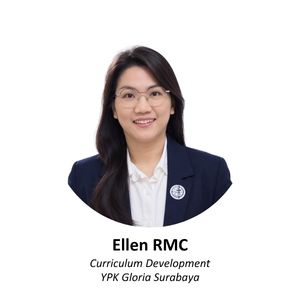
The Prepared Mind at Play: Transforming Early Learning into a Launchpad for Problem-Solvers
| An institutional vision is not merely an abstract motto; it serves as an active pedagogical compass that directs every facet of child development. When a school’s overarching purpose anchors daily classroom design, daily routines and interactions intentionally nurture adaptable, resilient, and future-ready learners. This serves as a guidance of which and where development should take place in a particular institution to grow and strengthen the identity of the institution. To realize this vision, this proposal introduces an integrated framework that enriches the Beyond Centers and Circle Time (BCCS) method with the philosophy of Maria Montessori. While the BCCS model establishes a responsive social structure through intentional circle discussions and collaborative interest centers, infusing Montessori principles elevates the classroom through prepared environments, self-directed work cycles, child agency, and auto-didactic materials with a built-in control of error. This enriched pedagogy builds an enduring foundation in critical thinking and problem-solving. Rather than relying on adult-directed instruction, children learn through authentic, hands-on inquiry. As they question, manipulate materials, and try real cognitive obstacles, they strengthen core executive functions: working memory, inhibitory control, and cognitive flexibility. Simultaneously, young learners exercise creativity, communication, and collaboration as they negotiate shared building projects, share discoveries, and adapt strategies when plans do not go as expected. This workshop equips early childhood educators and curriculum coordinators with concrete strategies to enrich their existing school models (such as BCCS, thematic units, or play-based centers) by integrating Montessori principles, executive function research, and 21st-century competencies. |
| Bio: Ms Ellen is a dynamic and passionate educator with a heart for early childhood education. She is currently serving in Gloria Christian School (YAYASAN PENDIDIKAN KRISTEN GLORIA) as part of the curriculum department team for Sekolah Kristen Gloria – Early years. She has had experiences in teaching as an early year teacher in some preschools in Surabaya, becoming part of the curriculum team and was serving as the Preschool Principal in MSCS, Surabaya from 2014-2024. Moreover, she has been part of the parenting class teaching team in GMS Church West Surabaya from 2024-2026. She believes that early years has been foundational in a child’s whole being, therefore, the commitment to continue growing as a lifelong learner educator will be essential in fostering a love of learning and growing in every child as well. |
| Expected outcomes of the presentation: This workshop equips early childhood educators and curriculum coordinators with concrete strategies to enrich their existing school models (such as BCCS, thematic units, or play-based centers) by integrating Montessori principles, executive function research, and 21st-century competencies. |
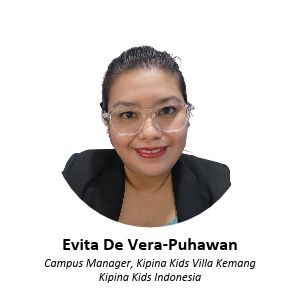
Voice to Impact: Speak, Hearten, Lead
(Empowering Educators & Leaders in the Early Years)
| In early childhood education, leadership begins with the way we communicate; every time we give instructions, have a conversation with a child, chat with a colleague, or meet a parent, we have the opportunity to establish stronger relationships. This practical workshop will demonstrate how early childhood educators can use intentional communication to become clearer, more confident, and more effective leaders in both their classrooms and schools. The session makes use of the ideas from Maryam Pasha’s book ‘How to Speak so Others Listen’ and turns the proven speaking and listening strategies into useful tools for use in early childhood settings. Participants will learn about the V.O.I.C.E framework: Value the listener, Own your message, Invite connection and understanding, Choose the high road, and Empower others. Through short demonstrations, listening exercises, role-play, storytelling, and peer review, they will see how tone, clarity, empathy, listening, and purposeful language shape the way our messages are received. This workshop introduces practical techniques that can help teachers and leaders become more confident public speakers when presenting to colleagues, communicating with parents, advocating for children or leading school initiatives. This workshop presents communication not simply as a professional skill, but as a daily expression of purposeful leadership that connects, influences and inspires. |
| Bio: With a global career spanning over 23 years across four countries, Evita De Vera-Puhawan knows firsthand that powerful leadership in early childhood education begins with connection. As a Licensed Professional Teacher with a Master’s Degree in Education and a Bachelor’s in Psychology, Evita has successfully guided international preschools as an Academic Coordinator and Principal. Her passion lies in creating supportive, motivating environments where both children and educators can thrive. Evita is a frequent speaker at major educational conferences like the ANPS Early Childhood and Leader Conferences, and she brings elite communication expertise as an award-winning Toastmasters International competitor and former Area Director. Whether she is training teachers, coaching parents, or mentoring public speakers, Evita is dedicated to helping the early years community unlock the power of intentional communication. |
| Expected outcomes of the presentation: By the end of the workshop, early childhood educators and leaders will be able to use the VOICE framework as a ready-to-use tool to transform their daily classroom communication into purposeful leadership. Through the immersive, hands-on exercises and activities, you will master the tone, empathy, and clarity needed to confidently command a room of colleagues, navigate crucial parent conversations, and fiercely advocate for your students. Unlock your communication potential and move your early years leadership voice to true and lasting impact! |

Every Colour Has a Voice: Playful Learning with Handbells in the Early Years
| Young children make meaning through play, and music offers a joyful way to turn play into purposeful learning. This interactive session shows how colour-coded handbells and Kodály hand signs help kindergarten learners explore pattern, sound and teamwork without needing to read notation. Participants will experience the learning first-hand: they will play handbell chords, follow a conductor’s hand signs, and perform a simple song using a colour-block “song map.” |
| Bio: Galih Pratama Sukmawardana is an experienced music educator with over 15 years of teaching experience, including more than a decade in international schools. He holds a Bachelor’s degree in Music from Universitas Negeri Semarang (UNNES) and is currently pursuing a Master’s degree in Arts Education at Universitas Negeri Jakarta (UNJ). With experience in the IB Primary Years Programme (PYP), Galih is passionate about inquiry-based learning, student agency, and creative collaboration. He integrates digital music tools into engaging, hands-on learning experiences that foster creativity, confidence, and meaningful student engagement. Galih presented at the IB World Conference 2025 at British School Jakarta, sharing practices in digital music education. He has also participated in an EARCOS music professional development programme in Kuala Lumpur and continues to explore innovative approaches to joyful and purposeful music learning. |
| Expected outcomes of the presentation: By the end of the session, participants will be able to: Identify bell colours and Kodály hand signs for the C, F and G chords; lead a simple handbell activity that can be differentiated through four levels; connect play to purposeful learning, including listening, self-regulation, collaboration and learner agency, within a PYP context. Participants will leave with a practical, low-cost activity they can try the next day, and a clearer view of how play with purpose invites curiosity, creativity and joyful engagement. |
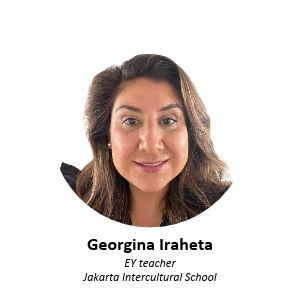
The Hundred Languages of Children: Designing Versatile Environments Where Every Child Is Heard
| Children speak in a hundred languages: through movement, building, mark-making, sound, silence, gesture and play. But are our learning spaces listening? In this hands-on session, we’ll explore how versatile, responsive environments can open up more ways for every child to express, connect and be understood, including children who are multilingual, neurodivergent, quiet, or still finding their voice. You’ll step into the child’s perspective, work through real classroom scenarios, and redesign a space with your peers. We’ll draw on the expertise in the room, so you’ll leave with practical, low-cost ideas to try on Monday and a stronger lens for creating communities where every child is seen, valued and supported to thrive. |
| Bio: Georgina Iraheta is an Early Childhood teacher at Jakarta Intercultural School (JIS). She has 25 years of experience in teaching, curriculum coordination, and educational leadership and has worked in diverse international settings, including El Salvador, China, Qatar, Angola, Cambodia, and Rwanda. Georgina holds a Master’s degree in Early Childhood and has co-authored a publication for the International Baccalaureate Organization on learning through play. Additionally, she leads her own NGO, which provides professional development for teachers in El Salvador and conducts workshops focusing on play-based learning. Recently, Georgina served as an EC Advisor for the Program Learning Through Play in Rwanda. |
| Expected outcomes of the presentation: By the end of this workshop, educators will have a deeper understanding of how versatile, responsive environments can honor the many ways children express themselves, including children who are multilingual, neurodivergent, or quieter in group settings. Participants will practice looking at learning spaces from a child’s perspective and leave with at least one practical, low-cost change to try in their own setting. Through shared problem-solving and drawing on the collective expertise in the room, they will build confidence in using observation and simple documentation to check whether their environments are truly supporting every child to be seen, valued, and included. |
From Noticing to Nurturing: Turning Observation into Meaningful Learning
| Building on the themes explored within the keynote presentation, this interactive breakout session will take participants through the process of analysing a real-life observation and using it to inform meaningful, responsive practice. Working collaboratively, participants will explore a detailed case study of a child engaged in self-chosen play. They will be guided through a practical observation and planning scaffold that I have developed and implemented within my own settings to support practitioners in moving from noticing children’s interests to making intentional decisions about interactions, environments and next steps. Together, participants will explore how skilled practitioners move beyond simply recording observations to interpreting learning, recognising significant moments and identifying opportunities to deepen engagement. Using principles from Birth to 5 Matters, the Characteristics of Effective Learning and high-quality play-based pedagogy, delegates will consider what children may be communicating through their actions, language, choices and sustained involvement. Using the case study as a stimulus, participants will discuss how and when practitioners should enter children’s play, exploring the role of high-quality interactions, sustained shared thinking and responsive teaching. Through facilitated discussion, they will reflect on the impact of different adult responses and consider how meaningful conversations can extend children’s thinking, language, imagination and problem-solving while maintaining children’s agency and ownership of their play. The workshop will introduce a practical lens supporting practitioners to identify rich learning opportunities that emerge naturally within children’s self-chosen experiences. Participants will explore how these opportunities can be noticed, nurtured and extended through intentional teaching and responsive interactions. Drawing on examples from practice, the session will explore how simple resources and enhancements can be used to deepen learning within continuous provision. Participants will consider how resources such as clipboards, writing materials, cardboard ten frames, counting collections, loose parts and open-ended materials can be made consistently available both indoors and outdoors, ensuring children can access opportunities for communication, mathematics and mark making wherever their play takes them. The focus will be on creating environments that are rich in possibility and responsive to children’s interests rather than relying on adult-directed activities. As the case study unfolds, delegates will consider how a single observation can evolve into a deeper learning journey. They will reflect on how environments, resources and provocations can be adapted to build upon children’s interests and fascinations, creating opportunities for sustained inquiry, creativity and engagement over time. |
| Expected outcomes of the presentation: By the end of the session, participants will: – Develop greater confidence in analysing observations and identifying significant learning. – Strengthen their ability to make informed pedagogical decisions based on children’s interests, motivations and developmental needs. – Explore practical strategies for extending learning through meaningful conversations and sustained shared thinking. – Recognise opportunities for mathematics and mark making within everyday child-led play. – Understand how continuous provision can be organised to support learning consistently across both indoor and outdoor environments. – Gain a practical framework for moving from observation to intentional action. – Leave with ideas and strategies that can be immediately implemented within their own settings to deepen learning through play. |
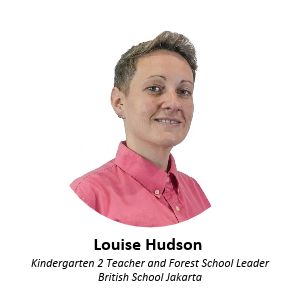
The Classroom Without a Ceiling: Elevating Outdoor Provision into Purposeful Early Learning
| Outdoor environments offer unrivaled opportunities to spark curiosity and drive child-led inquiry, but maximizing their potential requires a clear balance between consistent baseline setups and intentional extensions. Grounded in Self-Determination Theory (SDT), this 75-minute interactive workshop explores how high-quality outdoor provision nurtures children’s core psychological needs—autonomy, competence, and relatedness—to sustain joyful, self-directed learning. We will examine the distinction and interplay between continuous provision (the permanent, high-utility outdoor zones that foster independence) and enhanced provision (targeted, interest-led provocations that ignite curiosity and scaffold specific early years objectives). Through group discussion and actionable environment auditing, participants will gain clear frameworks to refine their adult role, streamline provision and elevate learning outcomes in their existing outdoor spaces. |
| Bio: Louise Hudson is an educator with 15 years of experience across the UK, Netherlands and Indonesia, including seven years in Early Years. Holding a PGCE specialism of 3-7 years old, Level 3 Forest School Leader status and a Master’s in Early Years Education centered on outdoor learning research. As well as teaching in the Kindergarten, Louise currently developing the Forest School Kindergarten and Primary curriculum at British School Jakarta (BSJ), focusing on grounded, child-led outdoor learning. |
| Expected outcomes of the presentation: Apply SDT: Understand how supporting autonomy, competence, and relatedness fosters intrinsic motivation and self-directed learning outdoors. Balance Provision: Explore the distinction and interplay between continuous baseline setups and targeted enhancements to scaffold early learning objectives. Guide Interactions: Recognise when to step in to scaffold inquiry and when to step back to preserve child-led exploration. Adapt & Elevate: Identify strategic adjustments to your existing outdoor zones to maximize child independence and elevate play outcomes. |
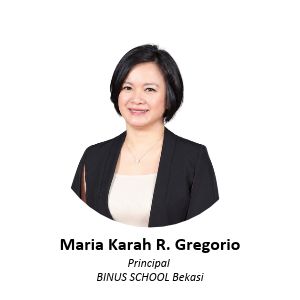
Leadership with Purpose
| Sharing experiences and practices that lead to better teamwork and performance. How to build camaraderie, trust and comfort in a busy, challenging and demanding environment. |
| Bio: Maria Karah Reyes Gregorio has been an educator for more than 20 years and has taught previously focusing on English and Language as well as Early Years. She has a Masters Degree in Executive Management and Harvard Certificate in School Management and Leadership. |
| Expected outcomes of the presentation: I would like to be able to inspire, contribute and influence other to be their best selves. |
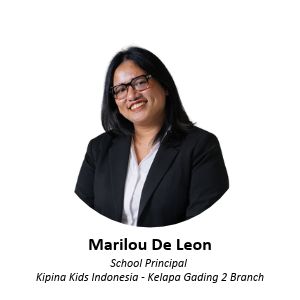
When Educators Belong, Children Thrive Building Psychologically Safe Early Childhood Teams
| Early childhood educators work hard to create classrooms where every child feels safe, valued, and included. However, educators may struggle to provide these experiences consistently when they themselves feel unheard, isolated, or afraid to raise concerns. This interactive workshop introduces the Belonging in Practice Cycle, a practice-informed and research-grounded framework developed through the presenter’s experiences with SheLeads, SPK leadership development, and the Partners in Practice initiative. Participants will explore five recurring leadership practices: Notice, Create Space, Connect, Act Together, and Return. Using authentic early-childhood team scenarios, participants will practise psychologically safe conversations and leave with a toolkit for strengthening educator voice, partnership, accountability, and belonging in their own schools. “ |
| Bio: Marilou De Leon-Simpas is a Filipino educator and Principal of Kipinä Kids Indonesia, Kelapa Gading 2, in Jakarta, with over 15 years of experience in preschool and primary education. Beginning her career as a classroom teacher, she brings a practical understanding of the realities, challenges, and joys of teaching to her work as a school leader. Her experience spans Finnish-inspired education, IB PYP, Cambridge Primary, Montessori, and Reggio-inspired approaches. Marilou leads a team delivering a Finnish-inspired, play-based curriculum that nurtures children’s independence, agency, and love of learning. Her leadership is grounded in humanistic, reflective, and transformative practices, with an emphasis on trust, collaboration, and continuous growth. Her participation in SheLeads and SPK leadership training has further shaped her work on educator wellbeing, belonging, and psychologically safe teams. She holds a Bachelor of Secondary Education in Biology and is a Master’s candidate in Early Childhood Education. Her research explores teachers’ beliefs and implementation of learning through play in a Finnish-aligned preschool in Indonesia. At the heart of her work is the belief that every child is capable and every teacher can grow with the right support—and that when educators feel valued and connected, children thrive. |
| Expected outcomes of the presentation: Participants will understand how educator belonging and psychological safety influence teamwork, professional growth, and children’s classroom experiences. They will learn to recognise barriers to staff belonging, apply the five-stage Belonging in Practice Cycle, and use practical tools for reflective conversations, peer support, shared accountability, and follow-up. Each participant will leave with an actionable plan to strengthen wellbeing and belonging within their own early childhood team. |

THE GOOD CHILD TRAP – When Compliance Looks Like Wellbeing
| “I don’t cry. I don’t say no. I don’t make trouble. Everyone says I’m such a good child. And that’s why nobody asks if I’m okay.” What if the child we praise most is also the child we understand least? In early childhood, we celebrate children who listen, comply, share willingly, and rarely cause trouble. Yet, while some children behave this way because they feel secure and confident, others may be learning to hide their needs to meet adult expectations. A quiet classroom does not always mean every child feels heard. Like a plant that grows straight because it has been gently supported, a child needs guidance to flourish. But if we keep trimming every branch that grows differently, are we nurturing the child or simply shaping them into what is easiest for us to manage? Through the lens of psychology, child development, and play therapy, this interactive workshop challenges educators to look beyond “good” behaviour and question the messages children receive about belonging, emotions, and identity. Using classroom scenarios, reflection, and role-play, participants will practise holding boundaries without making acceptance conditional on compliance. Because our goal is not simply to raise children who behave well, but to nurture children who feel safe enough to express themselves, make mistakes, ask for help, and still know they belong. |
| Bio: Queenie is a certified Play Therapist, Founder and CEO of Starland Preschool & Kindergarten, with a background in Psychology from Germany and an MBA from Zürich. Through her parenting seminars and educator workshops in Indonesian and English, she helps adults look beyond children’s behaviour to understand the emotions, needs, and developmental processes beneath it. Passionate about building healthier relationships between adults and children, Queenie believes that connection is the foundation of meaningful correction. Her work inspires parents and educators to replace reactive responses with greater understanding, intentional guidance, and relationships where children feel safe to learn, grow, and be themselves. |
| Expected outcomes of the presentation: By the end of this workshop, participants will be able to: 1. Recognise the difference between compliance and wellbeing, understanding that a child who is easy to manage is not necessarily a child whose emotional needs are fully understood. 2. Identify the hidden messages behind everyday interactions and reflect on how adult expectations, praise, and correction may influence children’s sense of belonging, autonomy, and self-worth. 3. Look beyond children’s behaviour by considering the developmental needs, emotions, and underlying skills that may be influencing their responses. 4. Practise connection before correction through interactive role-play, learning how to maintain appropriate boundaries while responding with empathy and respect. 5. Apply practical communication strategies that help children feel safe to express emotions, ask for help, make mistakes, and develop independence without fear of losing acceptance. 6. Commit to one meaningful change in their interactions with children that nurtures healthier relationships and a stronger sense of belonging. |

One Classroom, Different Pathways: Accommodations, Modifications, and Individualised Learning
| In today’s diverse early childhood classrooms, accommodations and modifications are essential to inclusive education, yet these two approaches are often misunderstood or used interchangeably. Understanding their differences, knowing when each is appropriate, and applying them effectively are fundamental to meaningful inclusion. This session explores how educators can distinguish between accommodations, which provide access to learning without changing the intended learning objectives, and modifications, which adjust learning expectations to meet individual developmental needs. Participants will learn to identify learner profiles that may benefit from specific accommodations or modifications, considering differences in cognitive development, communication, sensory processing, attention, and adaptive functioning. Through practical classroom examples, the session will demonstrate how these approaches can be integrated into instructional strategies, learning materials, curriculum expectations, and assessment practices while maintaining meaningful participation for every child. Guided by the principle that “”The learner is at the centre of education, not a fixed curriculum” (Meyer et al., 2014), this session aims to equip educators with the knowledge and practical strategies to create responsive learning pathways within one inclusive classroom. |
| Bio: Reshma Wijaya is the Founder of Saraswati Learning Center, an inclusive special education institution in Jakarta. Her journey began with her daughter, Cheryl, who was born with Down syndrome, inspiring her lifelong commitment to ensuring that every child is recognised for their abilities rather than defined by their diagnosis. With over 17 years of experience in special education and child development, Reshma brings multidisciplinary expertise in Montessori Education, Special Education, Applied Behavior Analysis (ABA), Filial Play Coaching, Therapeutic Play, and Social Work. She holds a Master of Arts in Education (Special Education) and a PhD in Social Work, and is currently pursuing a Master of Science in Applied Behavior Analysis and an Applied Doctorate in Education. In 2025, she received the Innovator of the Year in Special Needs Education award at the World Summit Dubai for developing The Saraswati Curriculum, an individualised educational framework that recognises and supports diverse learning profiles. Through her work, Reshma continues to advocate for inclusive, evidence-informed education that transforms individual differences into opportunities for meaningful learning and growth. |
| Expected outcomes of the presentation: 1. Differentiate between accommodations and modifications by understanding their distinct purposes and implications for inclusive teaching and learning. 2. Identify individual learner profiles and support needs to determine when accommodations, modifications, or a combination of both may be appropriate. 3. Apply accommodations and modifications effectively across four key areas: instructional strategies, learning materials, curriculum expectations, and assessment practices. |
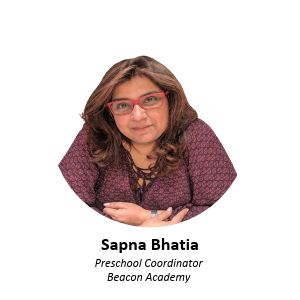
The Power Of Props: Embedding Early Literacy & Numeracy through Music and Props
| Explore how simple movement routines can naturally teach early reading, writing, and math through joyful play. In this hands-on workshop, you will discover how music, props, and physical activity spark early learning. Instead of keeping play and academics separate, you’ll learn how to weave literacy and math directly into movement—boosting brain development, spatial skills, and classroom engagement for every child. |
| Bio: Sapna Bhatia is a dedicated early childhood educator with over 25 years of classroom and leadership experience. She currently serves as the Preschool Coordinator at Beacon Academy, bringing a wealth of international expertise after spending more than 15 years in South Korea specialising in play-based learning. A lifelong learner, Sapna believes that learning is an ongoing, joyful journey of discovery for both educators and young children. She is a firm believer in the powerful combination of skill and passion, using both to design engaging environments where children naturally thrive. Sapna is passionate about empowering teachers to harness the transformational power of play, movement, and hands-on exploration to build strong developmental foundations in early childhood. |
| Expected outcomes of the presentation: By the end of this workshop, educators will confidently weave early reading, writing, and math concepts directly into high-energy movement routines and prop-based play. |
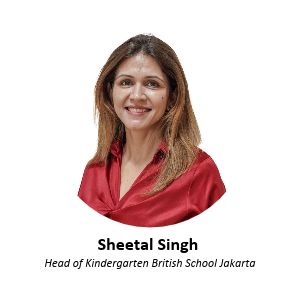
Seen, Safe and Settled – A hands-on workshop on wellbeing and belonging in the early years
| Wellbeing is easy to promise and hard to see. This hands-on workshop shows how structured observation of emotional security, happiness, comfort and involvement helps us notice who is thriving and who needs support. Through role play, observation challenges and collaborative mapping, participants explore how children, educators, families and support staff can all feel they belong. Participants will: – Practise observing wellbeing using shared, structured language – Identify who in their community may be “unseen” – Design an inclusive morning ritual to use immediately |
| Bio: Sheetal Singh is Head of Kindergarten at the British School of Jakarta, with over 20 years’ experience in international education across India, Russia, Qatar and Indonesia. She has worked in and led teams within IB, English National Curriculum, EYFS and IPC schools, and has held senior leadership roles for more than a decade. She is a trained Child Protection Officer and certified Cognitive Coach, with an M.Sc. in Child Development. Driven by a belief that belonging is the foundation of learning, Sheetal works to build school communities where every child, educator, family and team member feels seen, connected and valued. |
| Expected outcomes of the presentation: Participants will leave with greater confidence in noticing how children are feeling and engaging, and a wider awareness of who in their community may be “unseen”, including colleagues, families and support staff. They will share a common language for talking about wellbeing and take away practical strategies and a personal action plan to put into practice in their own settings straight away. |
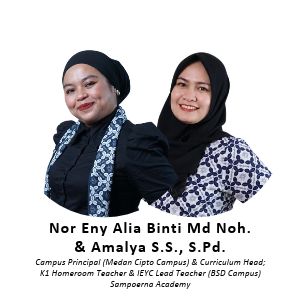
Little People, Big Thinking – Growing the 5Cs Through Everyday Early Years Experiences
| What does “future-ready” really look like in the early years? A child negotiating over a block, changing their plan when a tower falls, explaining an idea to a friend, or persisting with a challenge may look like ordinary classroom moments—but these are powerful opportunities for developing Communication, Collaboration, Creativity, Critical Thinking, and Character. In this highly interactive workshop, we will explore how the 5Cs can be intentionally nurtured through everyday early years experiences, without adding more activities, programmes, or pressure to an already busy curriculum. Participants will become “5C detectives,” exploring how to recognise evidence of children’s thinking, make learning visible, and consider how environment, experience, adult scaffolding, agency, and time can deepen children’s learning. Through Think-Pair-Share, Round Robin, group challenges, scenarios, role play, and a hands-on “5C Level-Up” challenge, participants will experience the very skills we are exploring. The workshop will move from See It → Name It → Nurture It → Extend It, helping educators move from simply noticing what children are doing to intentionally creating conditions for deeper thinking. Because the ingredients are already there. Sometimes, we just need to look at them differently. |
| Bio: Nor Eny Alia Binti Md Noh is a school leader and early years curriculum specialist at Sampoerna Academy, where she serves as Campus Principal and Early Years Curriculum Head. As part of Sampoerna Academy, a pioneer of STEAM education in Indonesia, Alia works within an educational approach that places strong emphasis on developing future-ready skills, including the 5Cs: Communication, Collaboration, Creativity, Critical Thinking, and Character. She leads the implementation of the International Early Years Curriculum (IEYC) across the school’s Early Learning Centres, with a particular interest in play-based learning, inquiry, intentional teaching, learning environments, and creating meaningful opportunities for young children to develop their thinking and agency. Alia is an experienced early years workshop facilitator and speaker, having presented at the ANPS 2023 Early Childhood Conference, the ICA webinar and Sampoerna AcademyXANPS professional learning events. She has also facilitated curriculum implementation and professional learning workshops for early years educators and school teams across Indonesia. Her approach to professional learning is highly practical and interactive, connecting early years pedagogy with real classroom experiences. She is passionate about helping educators recognize the thinking already happening in everyday experiences and intentionally creating conditions for children to communicate, collaborate, create, think critically, and develop character. |
| Expected outcomes of the presentation: By the end of the workshop, participants will be able to: -Recognize how Communication, Collaboration, Creativity, Critical Thinking, and Character are already developing through everyday early years experiences. – Identify observable evidence of 5C skills in children’s play, interactions, problem-solving, and learning. – Explore how environment, experiences, child agency, time, and adult interactions can create stronger opportunities for 5C development. – Apply practical scaffolding strategies to decide when to Step In, Step Alongside, or Step Back while maintaining children’s ownership of their thinking. – Use questioning, modelling, provocations, and intentional language to make children’s thinking more visible and extend learning. – Adapt an existing classroom experience to intentionally create richer opportunities for 5C development without simply adding more activities to the curriculum. – Reflect on one practical change they can make in their own setting to nurture deeper thinking and future-ready skills in young children. |
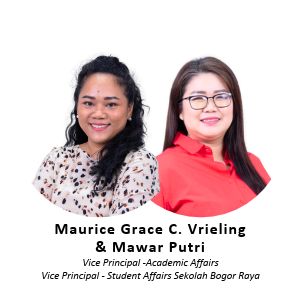
PLAY. WONDER. DISCOVER.: Making Inquiry Visible Through Play
| PLAY. WONDER. DISCOVER.: Making Inquiry Visible Through Play is a 75-minute interactive workshop that invites early childhood educators to experience inquiry through the eyes of a child. Rather than simply talking about play, participants will play, wonder, investigate, collaborate, and reflect as they explore how purposeful play nurtures curiosity, creativity, communication, and thinking. Through mystery challenges, hands-on inquiry stations, thinking routines, and classroom-based scenarios, participants will discover how children’s questions, choices, experiments, and problem-solving reveal meaningful learning. The workshop explores how educators can recognise inquiry in everyday play and use intentional teacher responses to support and extend children’s thinking without taking ownership of their exploration. Participants will experience inquiry opportunities across different developmental levels and consider when to observe, wait, ask questions, introduce materials, document learning, or step in. The workshop concludes with a practical application challenge in which participants select and justify appropriate teacher responses to authentic classroom situations. Participants will leave with practical strategies to recognise, support, and make children’s inquiry visible through play. |
| Bio: Maurice Grace Vrieling and Mawar Putri are Vice Principals for Academic Affairs and Student Affairs, respectively, for Playgroup–Kindergarten at Sekolah Bogor Raya, Indonesia. With experience as an IB PYP early childhood educator, Maurice is passionate about inquiry-based learning, purposeful play, and making children’s learning visible. Mawar focuses on supporting children’s development, well-being, and positive learning experiences in the early years. Together, they bring perspectives from academic learning and student development, sharing practical ways to help educators nurture children’s curiosity, exploration, and inquiry through play. |
| Expected outcomes of the presentation: By the end of this interactive workshop, participants will be able to: 1. Recognise inquiry and learning happening through children’s play. 2. Identify ways teachers can support and extend inquiry through play. 3. Design a purposeful play experience that encourages children to wonder, explore, and discover. Participants will leave with practical, developmentally appropriate strategies they can immediately apply in their own early childhood classrooms to make children’s inquiry and learning more visible. |