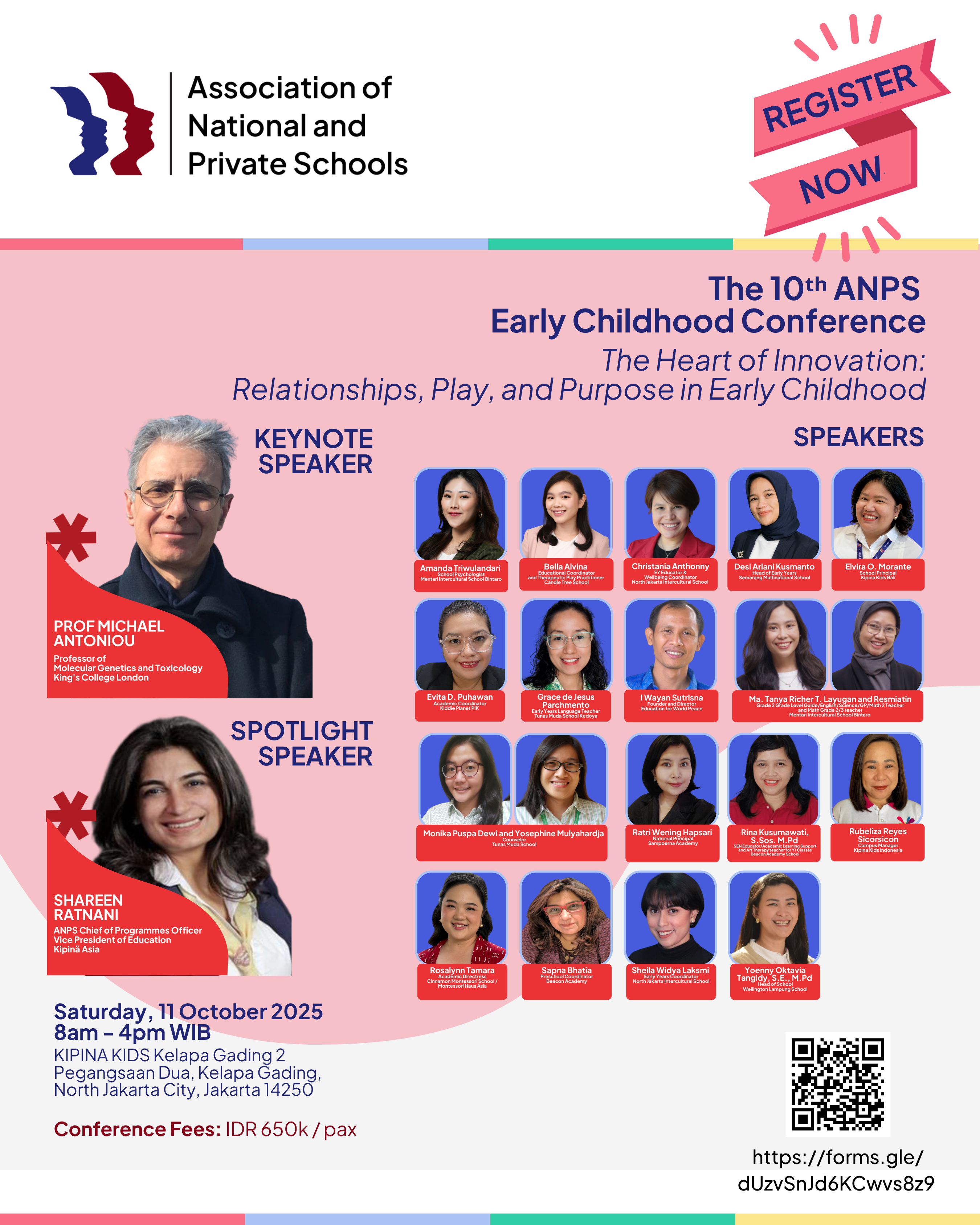
Calling All Early Years Educators!
Are you ready for a day full of inspiration, creativity, and fresh ideas?
Join us at the 10th ANPS Early Childhood Conference 2025 🎉
Theme: The Heart of Innovation: Relationships, Play, and Purpose in Early Childhood
✨ This one-day conference is designed just for YOU — passionate Early Years teachers who believe that play, purpose, and strong relationships can transform learning! Expect engaging workshops, practical strategies, and meaningful conversations with fellow educators.
🗓️ Date: Saturday, 11 October 2025 | 8 AM – 4 PM WIB
📍 Venue: Kipina Kids Kelapa Gading Campus 2
Pegangsaan Dua, Kelapa Gading, North Jakarta City, Jakarta 14250
🎟️ Conference Fees: Rp 650,000/pax
(Seats are limited — don’t miss out!)
👉 Register today: https://forms.gle/dUzvSnJd6KCwvs8z9
👉 See Rundown: https://tinyurl.com/ECC2025Rundown
💡 Who should join?
Early Childhood teachers, principals, coordinators, and anyone passionate about the magical world of Early Years education.
🌟 This conference is OPEN to the public — ANPS members and non-members are all welcome!
Let’s celebrate Early Childhood together 💖
See you there!


Prof Michael Antoniou is professor of molecular genetics and toxicology at King’s College London (UK). He graduated in biochemistry from the University of Oxford (UK) in 1977 and obtained a PhD in molecular biology from the University of Reading (UK) in 1981. He joined King’s College London to set up his own research group in 1994. Prof Antoniou has made seminal contributions to the fields of molecular biology, biotechnology and pesticide toxicology becoming a world leader in the health impacts of glyphosate herbicides. Prof Antoniou also has extensive teaching experience at undergraduate and post-graduate (Masters, PhD) levels. This has included leading courses in genetics for both basic science and medical students. He has supervised over 20 PhD students.
In his presentation Prof Antoniou will draw on his experience to focus on the importance of both physical and mental health as a foundation for effective teaching. He will make reference to how physical and mental well-being are intimately interconnected and how this can be established by incorporating simple lifestyle changes. As an example, he will describe the importance of balanced gut microbiome function in the context of the gut-brain axis.
Prof Antoniou will also introduce the practise of Transcendental Meditation (TM), a purely mental technique, and present the scientific evidence demonstrating that during TM practise a unique state of mental tranquillity and deep physical rest is established. This leads to dissolution of physical stress and thus better mental and physical health. Evidences shows how more coherent state of mind lays the foundation for harmonious teacher-student relationships and more effective teaching with an enhanced rewarding, learning experience for students.

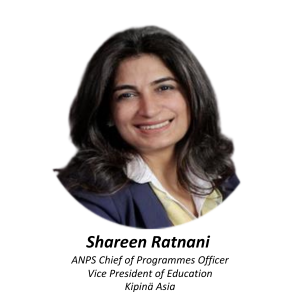
Shareen Ratnani is the Vice President of Education for Kipinä Asia, bringing over 25 years of experience in the field of early childhood education. She holds a Bachelor of Arts in Early Childhood Studies, a Master of Education in Curriculum, Instruction and Assessment, and an internationally recognized Montessori Diploma. Shareen is also a certified parenting coach and an advisor for preschool setups, combining academic expertise with hands-on leadership in school development and teacher training.
A co-founder of a Montessori preschool more than 20 years ago, Shareen has dedicated her career to shaping high-quality early learning environments. At Kipinä, she oversees both academics and operations for the chain of preschools in Indonesia, ensuring excellence in teaching, curriculum, and school management. Her work draws on global best practices, including the Finnish education model, while staying rooted in the needs of local communities. With her background in leadership, teacher development, and family engagement, Shareen continues to inspire educators and empower parents across Asia.

Breathe & Bloom: Tending the Heart That Teaches
| This is a gentle workshop created for early childhood educators. Teaching young children is a joyful calling, but it can also be tiring and overwhelming. Many teachers give so much love and care to their students that they forget to care for themselves. This session offers a safe and peaceful space to pause, breathe, and renew. Using simple tools from Mindfulness and Dialectical Behavior Therapy (DBT), participants will learn practical ways to calm the mind, manage emotions, and stay connected to their values as teachers and human being. Through guided activities, reflection, and supportive sharing, educators will discover how to bring more balance, peace, and joy into their daily lives. Breathe & Bloom is more than a workshop — it’s a reminder that when teachers care for their own hearts, they can continue to inspire and nurture the hearts of children. |
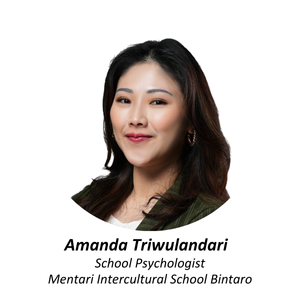
| Amanda Triwulandari, M.Psi., Psikolog, has over 10 years of experience supporting children, educators, and families. She believes in the importance of balancing mental and physical well-being, especially for those who care for others. In her private practice, Amanda combines practical tools from Dialectical Behavior Therapy (DBT) with the gentle support of Bach Flower Therapy. She is dedicated to helping educators nurture themselves so they can continue to inspire and guide young minds. |
| Expected outcomes of the presentation: – Understand why taking care of themselves is important for their students. – Try simple mindfulness activities to feel calm during the day. – Use easy some DBT steps to handle stress and big emotions. – Make a small self-care plan they can do every day. – Feel more balanced, happy, and full of energy for their work. – Build support and connection with other teachers. |
Telling to Heal: Creating Therapeutic Stories for Children
| This hands-on workshop will guide educators in creating simple therapeutic stories that help children process emotions, build resilience, and feel empowered. Using the StoryPlay® approach and Therapeutic Storytelling in Play Therapy, participants will learn how to turn everyday challenges—like fear, anger, or change—into healing metaphors and imaginative stories. We will explore how to: – Understand what makes a story “therapeutic” – Use children’s language, symbols, and interests to build relatable characters – Create stories that gently offer solutions, hope, and strength |
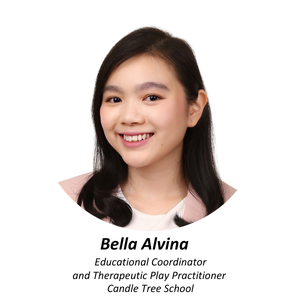
| Ms. Bella Alvina, M.Pd, Montessori Diploma, is a learner, educator, and practitioner deeply committed to the principles of early childhood development. She holds a diploma from Modern Montessori International and a Master’s in Education from Pelita Harapan University. Working with children since 2017, she has committed herself to early education, helping young minds to flourish. In addition to her formal education, Ms. Bella is a Certified Positive Discipline Parent Educator and has completed StoryPlay® Level 1 Certification, a playful and therapeutic approach to storytelling created by Dr. Joyce Mills. She believes in guiding children with understanding and respect, and is a passionate advocate for the power of play, which she integrates into her teaching methods. Currently, Ms. Bella is furthering her expertise as a Therapeutic Play Practitioner under the supervision of the Academy of Play and Child Psychotherapy, United Kingdom. Looking ahead, Ms Bella is excited to continue her journey and hopes to bring a positive impact to the community she serves. |
| Expected outcomes of the presentation: Participants will create their own therapeutic story during the session, using a simple step-by-step guide and creative tools. No writing or storytelling experience needed—just a willingness to play and connect. |
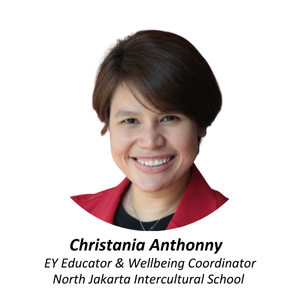
Big Feelings, Brave Classrooms
| In an early childhood classroom where diverse languages, personalities, and backgrounds come together, even the smallest moments can trigger anxiety or exclusion. How can educators build a predictable, emotionally safe environment where every learner can thrive? This hands-on workshop introduces three powerful, low-prep SEL strategies designed to reduce anxiety, nurture connection, and promote inclusivity in the Early Years: Color Buddies – a playful peer-pairing ritual that supports transitions, empathy, and daily connection Emotion Stations – visual check-ins that empower children to recognize and express how they feel Classroom Jobs with Purpose – rotating roles that help each child feel seen, needed, and responsible Inspired by real classroom practice, especially in multicultural and personality-diverse settings, these inclusive innovations are rooted in play, routines, and social-emotional learning. Participants will engage in creative, hands-on experiences including building their own Color Buddy sets, role-playing SEL moments, and co-designing personalized versions of these tools for their own classrooms. Whether you’re supporting new students, managing transitions, or fostering emotional literacy, this session offers intentional, heart-centered practices that help all children feel safe, connected, and ready to learn. Because when we teach with inclusion in mind, every learner can shine. |
| Christania Anthonny (Tania) is a passionate early childhood educator with over a decade of experience nurturing young learners in multicultural settings. Known for her creative, inclusive approaches, she believes that every child deserves to feel safe, seen, and celebrated. Tania currently teaches Pre-K at North Jakarta Intercultural School and leads her school’s Staff Wellbeing Committee, championing both student and educator mental health. She is also pursuing her Master’s in Early Childhood Education while researching teacher wellbeing and social-emotional development. Tania brings joy, intention, and empathy into every classroom moment—one tiny hand, big feeling, and brave conversation at a time. |
| Expected outcomes of the presentation: 1. Participants will gain three low-prep, high-impact SEL rituals they can implement immediately to reduce anxiety and foster emotional safety in diverse early years classrooms. 2. Participants will create their own personalized SEL tools—including a Color Buddy set—and practice using them through hands-on activities, role-play, and classroom planning. 3. Participants will develop a deeper understanding of how daily inclusive routines—like peer pairing, emotion check-ins, and purposeful classroom jobs—can strengthen classroom belonging and support the emotional needs of all learners, especially those who are shy, anxious, or neurodiverse. |
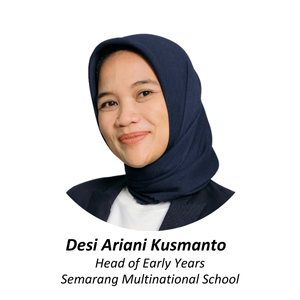
The Power of Play: Exploring Conceptual PlayWorld™
as an Innovative Strategy in Early Childhood Learning
| Play is a powerful way for young children to learn, helping them explore, imagine, and solve problems. This presentation introduces Conceptual PlayWorld™, a teaching approach from Monash University that uses imaginative stories to guide learning in early childhood classrooms. In this model, teachers and children step into a shared make-believe world where learning goals—especially in STEM—are part of the adventure. The session will explain the theory behind play pedagogy, outline the steps to create a PlayWorld, and share examples of how it can be used in the classroom to make learning engaging and meaningful. |
| Desi is a 15-year experienced early years educator and currently serve as Head of Early Years at Semarang Multinational School. She holds a Master’s in Early Childhood Education and received a Microcredential Scholarship from the Indonesian Ministry of Education to complete a Play Pedagogy course from Monash University, Australia. She is also a Certified Positive Discipline Parent Educator through the Positive Discipline Association (USA). Passionate and enthusiastic about early childhood education, Desi strive to create joyful, meaningful learning experiences and to support teachers and parents in nurturing young children’s growth. |
| Expected outcomes of the presentation: 1. Understand the key ideas of play pedagogy and why it matters in early childhood learning. 2. Learn the main features and steps of the Conceptual PlayWorld™ approach. 3. Explore practical ways to design and apply a PlayWorld in the classroom. 4. Gain ideas for creating playful, story-based learning experiences that support early childhood learning. |
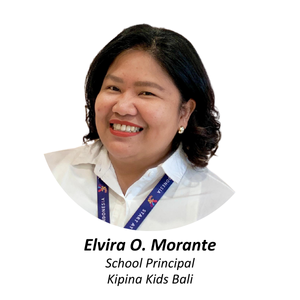
Heuristic Play in Action:
“Where Curiosity Meets Innovation. “Hands On, Minds On, Innovation Begins Here.”
| Heuristic play is an innovative, child-led approach that invites toddlers and young children to explore the world through every day, open-ended objects—keys, wooden rings, scarves, tins—sparking creativity, problem-solving, and deep thinking. In this workshop, educators will explore how heuristic play encourages innovation from the earliest years by fostering independent inquiry and hands-on discovery. Participants will learn how to design treasure baskets and heuristic play sessions that promote curiosity, critical thinking, and purposeful exploration. Through interactive demonstrations and meaningful reflection, we will uncover how to create learning environments that innovate through simplicity and empower children to become confident, capable learners. Let’s embrace innovation not through technology alone, but through trust, touch, and the treasures of everyday life—where children lead, and educators observe with intention. |
| Bringing over 20 years of experience in early childhood education, Elvira has partnered with educators through trainings and workshops, supported families, and equipped ministry leaders across the Philippines and Indonesia. She holds a Bachelor’s degree in Early Childhood Education and have pursued a Master’s in Family Life and Child Development. From July 2023 to June 2024, Elvira served as Vice Principal at Kipinä Kids Gading Serpong, overseeing operations, mentoring teachers, and implementing innovative, Finnish-inspired practices. Since 2024, she have been the Principal of Kipinä Kids Bali, leading with a focus on innovation, purposeful learning, and a nurturing school environment. On June 17, 2025, she received the Best Principal Award under the Earth Literacy Award at the ECDF International Conference in Bali, where she also delivered a keynote address. Earlier that year, on February 8, 2025, she was a featured speaker at the 16th ANPS Educators’ International Conference in Jakarta. Elvira also facilitated workshops at the Kipinä Kids Indonesia Learning Festivals (2023–2025), focusing on storytelling, creativity, creative confidence, and early childhood pedagogy. |
| Expected outcomes of the presentation: By the end of this workshop, participants will: – Understand the principles and purpose of heuristic play and its role in fostering innovation, creativity, and independent thinking in early childhood. – Gain practical knowledge on how to design and implement effective treasure baskets and heuristic play sessions using everyday, open-ended materials. – Develop skills to observe and support child-led exploration with intentionality, promoting deep engagement without direct instruction. – Reflect on how to create learning environments that nurture curiosity, confidence, and self-directed discovery through simplicity rather than structured or tech-driven approaches. – Leave inspired and equipped to embrace a more mindful, child-centered approach to learning that values trust, touch, and the intrinsic wonder of everyday objects. |
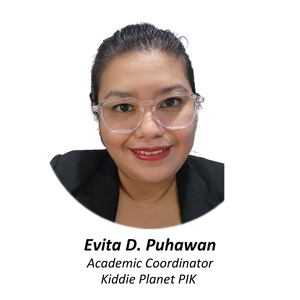
Building Bridges: Practical Guidance Strategies for Challenging Behaviours in the Early Years
| “The number one thing you can do in the moment if a child is falling apart is connection and empathy.” – Tina Payne Bryson, PhD As an early childhood education teacher, one of our primary responsibilities is to guide children as they learn and navigate the rules and expectations of society. In our classroom, children begin to learn acceptable and unacceptable behaviour. As they mature and develop independence, they may exhibit challenging behaviours that distract the class, and may negatively affect the emotional well-being of the class. The way we respond to these behaviours plays a crucial role in the children’s social learning process. This workshop is designed to offer teachers and educators a practical and structured approach to managing challenging behaviours in the classroom. Participants will delve into understanding the underlying reasons behind these behaviours, and explore the B.R.I.D.G.E.S. strategies, which will equip them with a comprehensive understanding of a child’s actions. This workshop aims to empower teachers and educators to effectively address and resolve behavioural challenges in the classroom ensuring a positive classroom environment for the children. Let us be intentional in our relationship with the children and be the bridge to foster enriching and transformative learning experiences for them. |
| Evita De Vera-Puhawan is a dedicated Licensed Professional Teacher who earned her Bachelor’s Degree in Psychology in the Philippines. She further deepened her expertise with a Diploma in Early Childhood Education from CCE Finland in 2018 and completed her Master’s Degree in Education, majoring in Early Childhood Education in 2024. With over 22 years of experience, Evita has contributed to educational communities in Bahrain, Qatar, Indonesia and the Philippines. She currently serves as the Academic Coordinator of Kiddie Planet PIK. Under her leadership, the school earned a prestigious grade “A” rating from BAN PAUD and received notable distinctions, including Best Creative and Innovative Preschool of the Year (2016) and Best School of the Year (2018). A passionate teacher and leader, Evita believes every child deserves a kind, loving and compassionate adult who will help them thrive. Her dedication extends beyond the classroom – she facilitates workshops, leads team-building sessions, and speaks at educational conferences. She is also an active community member, volunteering at her local church and participating in Toastmasters International, where she has excelled in public speaking contests and served as an Area Director. Evita’s multifaceted approach to education and leadership continues to inspire and empower those around her. |
| Expected outcomes of the presentation: Educators will learn to understand the child’s underlying needs and emotions rather than focusing on the challenging behaviour. Additionally, they will gain practical strategies that will guide them to navigate challenging behaviours in the classroom, empowering them to address and manage the behaviour, and foster a positive learning environment in the classroom. |
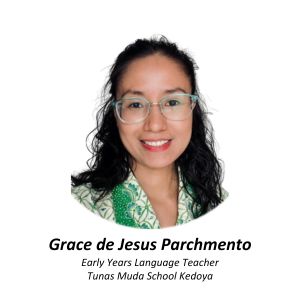
Play that Matters: Intentional Learning through Conceptual Play
| In Early Years classrooms, play is at the heart of everything we do — but what if we could make that play even more powerful? This workshop is all about helping teachers bring big ideas (concepts!) into little hands through simple, intentional, and joyful learning experiences. We’ll explore how to turn everyday play into deep thinking moments by connecting it with meaningful concepts like change, connection, and responsibility. You’ll discover practical ways to spark curiosity, encourage wonder, and guide children’s thinking — all while keeping playfulness alive. We’ll share real classroom stories, examples, and playful strategies you can try right away. From setting up invitations to play, to asking better questions, to noticing and extending children’s thinking — it’s all about making learning deeper while still feeling fun and natural. This session is for teachers who believe that play is serious learning — and who want to add more purpose, intention, and magic to their practice. Come ready to play, share, laugh, and leave with fresh ideas to bring back to your classroom! |
| Grace Parchamento is an educator with 15 years of teaching experience, including 8 years at Tunas Muda. Over the years, she has seen the value of concept-based learning in helping children build deeper understanding and make meaningful connections across subjects. She believes that when students truly understand what they are learning, they are more confident and able to use their knowledge in real-life situations. |
| Expected outcomes of the presentation: Participants will leave with practical strategies and fresh inspiration to design concept-driven play and learning experiences in Early Years classrooms. They will gain a deeper understanding of how to intentionally connect play and learning with big ideas, support children’s thinking through inquiry, and create meaningful learning that lasts. |
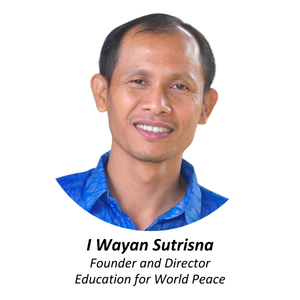
Consciousness Base Education
| Creating an ideal education and creating harmony in society by implementing the basic principal of Consciousness Base Education the Transcendental Meditation (TM) which is a very simple, natural, effortless technique will allow every individual both teacher and student developing their full creative intelegent |
| I Wayan Sutrisna is Founder and Director of Education for World Peace, an initiative to create and ideal education and creating peace and harmony in society. He is also an Indonesia National Director for Education of Transcendental Meditation (TM) which is world wide non profit organization. |
| Expected outcomes of the presentation: Educators will be introduced to a new approach to education that focuses on the true subject of education: the students themselves. By applying the basic principles of Consciousness-Based Education through Transcendental Meditation (TM), both teachers and students can develop their full creative intelligence. This session shall highlight the basic principles and evidence that support TM as an alternative approach for schools to explore. This session shall help participants to have better understanding and decide to collaborate further to offer the TM program with their community. |
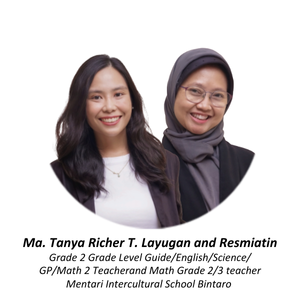
Explorers at Work: Inquiry & Reggio in the Everyday Classroom
| This workshop invites educators to step inside a Grade 2 learning space where curiosity leads the way and active exploration shapes every lesson. Participants will receive a brief yet engaging overview of the Inquiry Approach and the Reggio Emilia philosophy, highlighting how these two powerful methods can work together to spark children’s natural wonder, foster active learning, and integrate movement into the daily learning experience. The session emphasizes that children learn best when they are encouraged to ask questions, make discoveries, and engage with materials that inspire exploration. Teachers will experience how carefully designed learning centers can transform the classroom into a dynamic environment that nurtures problem-solving, creativity, and collaboration. Following the introduction, participants will take part in a hands-on rotation through 4–5 interactive stations. Each station will showcase a different style of learning center, designed for various topics, using inquiry and Reggio-inspired materials. From provocations that spark conversation to open-ended tools that encourage deep thinking, teachers will see practical ways to bring these methods to life in their own classrooms. By the end of the workshop, educators will leave with fresh ideas, tangible strategies, and renewed inspiration to create learning environments where every child can thrive as an explorer. |
| Ma. Tanya Richer T. Layugan Tanya Layugan is an experienced educator and facilitator specializing in the Inquiry Approach and Reggio Emilia-inspired learning. She has designed and delivered professional development sessions for new teachers, introducing practical strategies for hands-on, student-centered learning. As a mentor teacher, she continues to guide colleagues in developing inquiry-based projects and aligning classroom practices with the Cambridge curriculum. Graduated in 2015 with a degree in Child Development and Education, major in Special Education. She spent eight years at Miriam College Nuvali, Philippines, teaching Kindergarten and Grade 2, where she honed her expertise in early childhood and primary education. Since 2023, she has been part of Mentari Intercultural School Bintaro, applying the Inquiry Approach and Reggio Emilia philosophy in her classroom practice. In 2024, she became the Grade Level Leader for Grade 2, teaching English, Science, Global Perspectives, and Math within the Cambridge curriculum, while supporting teachers in designing engaging, student-centered learning experiences. Resmiatin Resmiatin is the organiser for Professional Development Programs at Mentari Intercultural School Bintaro. In this role, she coordinates, plans, and manages professional development initiatives for teachers, ensuring the effective execution of training events and workshops that support continuous teacher growth. |
| Expected outcomes of the presentation: – Understand the core principles of the Inquiry Approach and the Reggio Emilia philosophy, and how they complement each other in fostering curiosity, creativity, and active learning in early childhood classrooms. – Recognize how purposeful movement, hands-on experiences, and open-ended materials can enhance student engagement and learning outcomes. – Experience a variety of Reggio-inspired and inquiry-based learning centers through hands-on exploration at multiple stations. – Apply practical strategies and center design ideas that can be adapted for their own classroom contexts and subjects. |
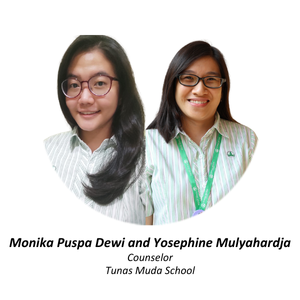
Shining Bright in Our Own Way
| This workshop offers an insightful exploration into developmental disorders commonly observed in early childhood, with a focus on Attention Deficit Disorders (ADD/ADHD), Sensory Processing Disorders (SPD), and Autism Spectrum Disorder (ASD). Designed for educators, caregivers, and professionals working with young children, the session combines essential theoretical knowledge with engaging, hands-on activities. Participants will be guided through interactive discussions that deepen their understanding of each condition’s key characteristics, enabling them to identify crucial symptoms and distinguish between these disorders more accurately. By the conclusion of the workshop, participants will be equipped with the skills to conduct an initial screening, assess possible concerns, and apply basic first-response techniques tailored to school environments. The emphasis will be on fostering supportive, inclusive spaces where children with diverse developmental needs can thrive. |
| Monika: Monika Puspa Dewi is an experienced Educational Psychologist with a Master’s degree in Psychology from Atma Jaya Catholic University, earned in 2014. Since then, she has dedicated her career to supporting children’s development and education, working in well-regarded institutions such as Sekolah HighScope Indonesia, Binus School Serpong, and Tunas Muda School. Specializing in child development, Monika has a deep passion for understanding and addressing learning difficulties and sensory processing issues in children. She is committed to creating supportive and inclusive environments where every child can reach their full potential. Yosephine: Yosephine is an experienced educator and mental health professional with over four years of experience. She holds a Master’s degree in Clinical Psychology from Tarumanagara University and a Bachelor’s degree in Psychology from Atma Jaya Catholic University. Currently, Yosephine works as a counselor for early years and lower primary students at Tunas Muda School, a role she’s held since July 2023. Previously, she served as a coach for secondary-level students at Rara Talenta Institute from January 2020 to June 2023. During this time, she also worked as a data gatherer and junior psychologist at IISA Assessment, Consultancy & Research Centre, where she conducted assessments and supported various research projects. Yosephine’s career demonstrates her passion for helping students succeed by creating supportive environments where they can thrive academically and emotionally. |
| Expected outcomes of the presentation: Participants will gain knowledge about developmental disorders, especially about ADHD/ADD, SPD, and ASD. They will know the main symptoms that differentiate those 3 disorders as well as first aid that they can do in school setting to support those students. |
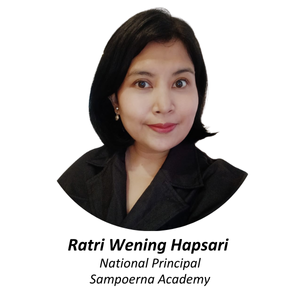
Mini Innovation Blueprint
| In the rapidly evolving landscape of education, innovation is not just about new tools—it’s about transforming hearts, minds, and communities. The Heart of Innovation: Relationships, Play, and Purpose in Early Childhood invites early years educators and leaders to reimagine their roles as visionary changemakers. Rooted in research-based practices and cultural sensitivity, this 75-minute interactive workshop explores how strong relationships, purposeful play, and values-driven instruction can be the core of innovative and meaningful learning experiences. Focusing on the Jakarta context, where communal values, family ties, and spiritual harmony are central, the workshop offers practical strategies for cultivating trust with families, integrating local storytelling and music into play, and designing learning environments that reflect Indonesian identity. Participants will explore leadership mindsets that support school transformation and learn to foster a culture where curiosity, empathy, and purpose thrive. Through dialogue, reflection, and hands-on activities, this session empowers educators to innovate with intention—honoring the unique spirit of Indonesian children while moving toward a future-ready early childhood education system. |
| Ms. Ratri W. Hapsari is a dedicated educator with nearly two decades of experience in shaping transformative learning environments. As the National Principal of Sampoerna Academy, Surabaya campus, she leads with a deep belief that every child is unique and deserves a personalized, meaningful educational journey. Her leadership reflects a strong commitment to innovation, inclusion, and nurturing future-ready learners. Beyond her role in school leadership, Ms. Ratri is a certified Gold Facilitator of the global “I Am Remarkable” initiative by Google, empowering individuals—especially women and underrepresented groups—to celebrate their achievements and grow in confidence. She actively delivers professional development workshops both across Indonesia and internationally, offering insights on educational leadership, classroom innovation, and empowering school communities. A passionate advocate for purpose-driven education, Ms. Ratri combines her cultural roots with global best practices to inspire educators to teach with intention and lead with heart. |
| Expected outcomes of the presentation: The expected outcomes of the presentation is that participants will embrace the leadership mindsets that support school transformation and learn to foster a culture where curiosity, empathy, and purpose thrive. They will be involved in dialogue, reflection, and hands-on activities. This session empowers educators to innovate with intention—honoring the unique spirit of Indonesian children while moving toward a future-ready early childhood education system. |
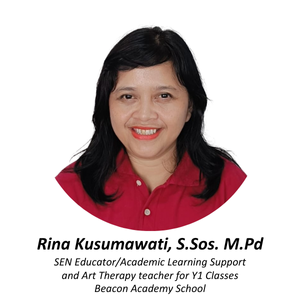
Rewriting the Narrative – Embracing Neurodiversity in the Early Childhood Classroom
| How we see children shapes how we teach them. In many early childhood settings, children with autism, ADHD, sensory differences, or learning delays are often viewed through a lens of limitation—when in fact, they possess unique strengths, creativity, and ways of engaging with the world. This session invites educators on a reflective journey to shift from a deficit-based mindset to a neurodiversity-affirming approach. Together, we’ll explore how our language, assumptions, and daily practices can either foster connection or unintentionally create exclusion—often without us even realizing it. Through storytelling, discussion, and real classroom examples, participants will unpack common myths about neurodivergent children and discover new ways to understand behavior, communication, and learning differences. We’ll reflect on what it truly means to “teach for transformation”—not by trying to change the child, but by transforming how we relate, respond, and offer support. This session isn’t about having all the answers—it’s about being open to seeing differently, and making small, meaningful shifts that lead to lasting change. Whether you’re a teacher, school leader, or support staff, you’ll leave with both encouragement and practical insights to help you create a classroom where every child is seen, valued, and empowered to thrive—just as they are. |
| Rina is a Special Education teacher and Year 1 Art Therapy teacher at Beacon Academy School, with prior experience as a preschool teacher across all levels at Kinderland Preschool (2001–2015). From 2015 to 2018, she served as the National Principal at Kinderland Caringin. Throughout her career, she has gained extensive experience as a workshop presenter, including leading Special Education workshops at Universiti Kebangsaan Malaysia (January–March 2012) and serving as a guest lecturer in the Early Childhood Master’s Program at UNNES Semarang. In November 2023, she was appointed as one of the five assessors for AQAS International Foundation, evaluating three majors at Universitas Negeri Semarang: Educational Technology, Non-Formal Education, and Elementary School Teacher Education. She has also contributed to the ISP Workshop Series, presenting three workshops at Beacon Academy School from November 2024 to April 2025, and was a presenter at the 15th ANPS Educators’ Conference on 24 February 2025. |
| Expected outcomes of the presentation: 1. Participants will reflect on their current beliefs and assumptions about neurodivergent children, including those with autism, ADHD, and other learning or sensory differences. 2. Participants will understand the difference between a deficit-based mindset and a neurodiversity-affirming perspective, and how this shift can transform classroom interactions. 3. Participants will learn 3 practical strategies to create a more inclusive, respectful, and responsive environment for neurodivergent learners. 4. Participants will explore the impact of language, labels, and expectations on how children experience belonging in early learning spaces. 5. Participants will leave with a simple self-reflection tool or journal prompt they can continue using in their daily teaching practice to build empathy and awareness. |
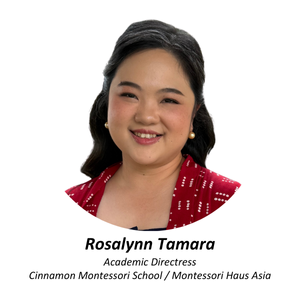
Montessori Mathematics : From Concrete to Abstract
| In Indonesia, Montessori schools are gaining traction, yet a clear understanding of their specific methodologies, especially in mathematics, remains limited. This workshop the core tenets of Montessori mathematics, tracing its progression from concrete manipulation to abstract understanding. We’ll explore how didactic materials like the Golden Beads, Stamp Game, and Fraction Skillets provide multi-sensory, hands-on experiences that build foundational mathematical concepts. This individualized approach inherently supports inclusive education practices, allowing every child, regardless of their learning style or pace, to deeply grasp number, operations, geometry, and algebra, moving beyond rote memorization. By transitioning from the tangible to the symbolic, Montessori mathematics not only fosters mathematical proficiency but also cultivates critical thinking, problem-solving skills, and a genuine love for the subject. This presentation aims to demystify Montessori mathematics, underscoring its efficacy in developing strong mathematical minds within an inclusive learning environment. |
| Rosalynn Tamara is the visionary Academic Directress behind Cinnamon Montessori School and Montessori Haus Asia, institutions she also founded out of a profound passion for Montessori and early childhood education. Specializing in the practical implementation of the Montessori Approach in diverse settings, from schools to homes, Rosalynn is also a sought-after consultant for Montessori parenting and business strategies. With a Bachelor of Arts in Visual Communication Design and a Montessori Diploma (2.5-6, 6-12 candidate), Rosalynn is known for her warm heart and unwavering commitment to everything she undertakes, dedicated to nurturing young minds and empowering families. |
| Expected outcomes of the presentation: Understanding how Montessori Method facilitates every children by giving the legacy of structured learning sequences and hands-on Materials. Participants are able to use Montessori Mathematics materials presented by Ms.Rosa. |
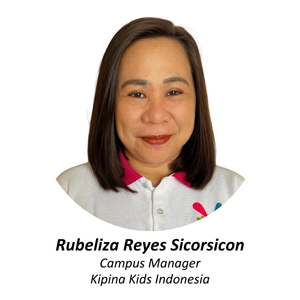
Purposeful Play: Nurturing Natural Intelligence through Music & Movement
| In this engaging session, educators will discover how rhythm, melody, and physical expression can enhance children’s cognitive, emotional, social, and physical growth. Participants will explore practical, play-based strategies that integrate musical instruments, singing, and creative movement into everyday classroom routines. Through hands-on activities, teachers will learn how to: • Harness children’s natural curiosity through sound and motion. • Build pattern recognition, memory, and coordination skills. • Foster emotional expression and empathy through collaborative music-making. • Encourage creative problem-solving and social interaction in group activities. By the end of the session, teachers will be equipped with simple, adaptable activities that align with holistic early childhood learning goals while keeping joy, creativity, and engagement at the heart of every lesson. Whether you are musically confident or a beginner, this training will inspire you to use music and movement as a natural pathway to deeper, more joyful learning. |
| A passionate music teacher from the Philippines with over 20 years of experience in early childhood education in Indonesia. My expertise lies in creating engaging, play-based music and movement experiences that nurture young children’s creativity and confidence. With a deep love for early years education, I empower educators to teach music with joy and confidence, making musical learning accessible and enjoyable for all. |
| Expected outcomes of the presentation: Participants will: – Gain practical strategies to integrate music and movement into purposeful play for early childhood. – Learn how to use rhythm, melody, and creative movement to nurture natural intelligence. – Leave with ready-to-use activities that support children’s cognitive, emotional, and social growth. |
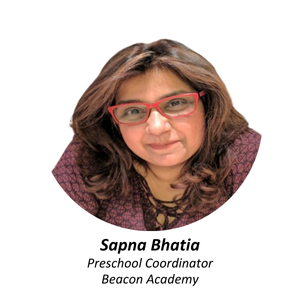
Circle Time Makeover: Creative spins on classic favorites!
| This workshop will explore innovative strategies to transform Circle Time from a routine activity into a dynamic and impactful learning platform. Moving beyond traditional calendar and weather exercises, we will delve into creative, high-engagement techniques designed to seamlessly integrate foundational skills in literacy, numeracy, and other core content areas. A well-facilitated Circle Time is crucial for establishing a positive and productive tone for the entire early learning program. Participants will discover how to leverage this vital group setting to foster a supportive environment for active listening, effective communication, and rich content exploration. |
| Drawing on over two decades of experience as an early childhood educator, Sapna Bhatia serves as the Preschool Coordinator at Beacon Academy. Her extensive career, which includes more than 14 years teaching at an international school in South Korea, has been dedicated to early childhood education. Now in Jakarta, she brings a deep-seated passion for teaching and a wealth of experience in nurturing preschool children. A lifelong learner, Ms. Bhatia actively participates in national and international workshops, consistently sharing her expertise with her colleagues. She is a firm believer in the powerful combination of skill and passion, asserting that for every preschool teacher, the ‘Art’ and the ‘Heart’ of teaching are equally essential. |
| Expected outcomes of the presentation: Leave this session with practical, creative ideas to easily move and learn together to classic circle time favorites! |
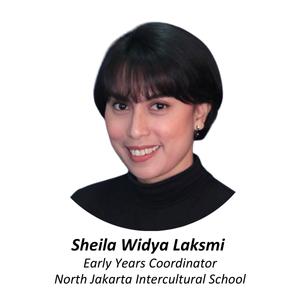
Nurturing Inquiry Through Questions: Purposeful Play in the Early Years
| Young children are naturally curious — they explore, test, and wonder through every moment of play. Yet their questions often go unspoken, hidden in actions instead of words. In early childhood classrooms, how can we make their thinking visible? This session introduces the Question Formulation Technique (QFT) as a developmentally appropriate approach to make children’s thinking visible through play. By intentionally weaving question-asking into playful learning experiences, educators can nurture curiosity, agency, and deeper inquiry. Participants will engage in the QFT process, see practical examples from early years classrooms, and reflect on how purposeful play can become a powerful platform for cultivating lifelong learners who wonder out loud. |
| Sheila Widya Laksmi is a passionate early years educator and EY Coordinator at North Jakarta Intercultural School (NJIS). With a strong belief in the power of play, she designs learning environments that nurture young children’s natural intelligence and curiosity. Sheila is committed to supporting educators in making learning visible through inquiry, play, and student agency. With experience facilitating professional development both in-school and at the PYP Dunia Conference, Sheila is dedicated to building strong, reflective learning communities for both students and educators. |
| Expected outcomes of the presentation: Educators of young children will feel empowered and equipped to nurture students’ questioning skills using the Question Formulation Technique (QFT). |
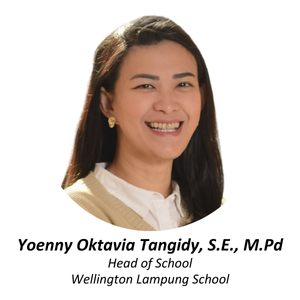
The Art of Baby Class Teaching: Purposeful Reflection, Play, and Bonding
| Every cry, smile, or small gesture in baby class is a message. The challenge for educators is how to respond with purpose and reflection. Teaching in baby class (ages 6 months–3 years) goes beyond caregiving, it is about transforming routines, play, and even practices like baby massage into meaningful opportunities for growth, bonding, and trust. Drawing on over two decades of classroom and leadership experience, this session explores how reflective practice empowers teachers to notice, interpret, and respond to the unique needs of the youngest learners while also guiding parents with confidence. Through interactive activities and real-life case studies, participants will discover practical tools to elevate baby class teaching, by learning how to build trust with families, design purposeful play, and nurture authentic parent–child connections. By the end of the session, educators will leave with renewed confidence in their role as reflective practitioners and change-makers, equipped to see baby class not as routine care, but as the art of shaping life’s earliest foundations. |
| Yoenny Tangidy is an experienced educator and school leader with over 21 years of service across early childhood, primary, and middle school levels. She was once recognized as one of the best teachers in a nationwide franchise network in Indonesia. Currently, she leads a growing school, while also serving as a university tutor, mentoring future educators to become open-minded, purpose-driven teachers. Known for her practical and empowering approach, Yoenny is passionate about helping every educator see themselves as a change-maker in their school community. |
| Expected outcomes of the presentation: By the end of this session, participants are expected to recognize the unique role of baby class teachers as reflective practitioners, able to transform daily routines, play, and practices such as baby massage into purposeful learning and bonding opportunities. They will gain practical strategies to observe and interpret babies’ non-verbal cues, strengthen collaboration with parents beyond digital content, and leave with renewed confidence to see themselves not merely as caregivers, but as change-makers shaping the earliest foundations of a child’s growth. |